Wednesday, July 20, 2011

Sex is good, but not as good as fresh, sweet corn. ~Garrison Keillor


Ahhhh plants!  
                            In all shapes and sizes and colors!  


There is nothing like the growing season to inspire, music, poetry, art, cooking and more....


My heart begins to beat a little faster in early April, when the plants, usually daffodils or crocus begin to poke up through the ground.  

It's as if my whole world is righted again,

 and I hear angels singing


I even have the urge to frolic outside barefoot, even when its not quite warm enough to do so 

via flickrhivemind.net


From April to November, here in Boulder, CO there is a weekly Farmer's Market

"The market" (as it is called by the locals) is full of local organic produce. 

Enough to make your eyes pop out of your head (in a good way), and to get your salivary glands flowing.

I get excited to see what is in season, starting with the tiny lettuces and other greens in early spring to the mouthy abundance of late July with its burgeoning beets, bright green fava beans, succulent corn, bursting cherries, vermillion and amber carrots, big toothy kale varieties, and so MUCH more!                                           
                                                   sigh. 


Even winding into the fall with pungent garlic and storage potatoes, roasted chilis and bosomy squash. 


                                         ~AMORE~  


It's thrilling isn't it?  


To eat produce just picked, so fresh the zucchini is oozing with water droplets when you cut into it, and the tomatoes so fresh and plump you can actually taste the sunshine.  I'm tellin' ya....

It goes without saying that plants can be food AND medicine and often both at the same time.  Here is a very short tour of a few of the seasonal plants available at the market right now...enjoy.


Beets!


 "The beet is the most intense of vegetables. The radish, admittedly is more feverish but the fire of the radish is a cold fire, the fire of discontent, not of passion. Tomatoes are lusty enough, yet there runs through tomatoes an undercurrent of frivolity. Beets are deadly serious"-Tom Robbins, Jitterbug Perfume
Beta vulgaris

  • Beets have the highest sugar content of all vegetables
  • Chard is a beet thats grown strictly for its leaves
  • In Roman times beet juice was considered an aphrodesiac
  • Beets treat anemia, are antiinflammatory, help purify the blood and help dissolve kidney stones
  • They cleanse the liver, alleviate constipation and promote menstruation
  • The leaves are an excellent source of folic acid and Vitamins K and A

Fava Beans!
This is one of the oldest cultivated vegetables. 
Fava beans were an Old World mainstay.

Fresh Fava beans have a rich buttery texture and a sweet earthy and slightly bitter flavor. They may be cooked whole and eaten like green beans, if under 3 inches. The larger beans (like the ones pictured here) must be shucked then peeled and cooked. 

Vicia faba
  • Store fresh Favas in a paper bag (no plastic)
  • The beans improve blood circulation and water metabolism
  • They are rich in L-dopa a substance used to treat Parkinson's disease and to increase libido.

Basil!
Ocimum basilicum

  • Also called Tulsi or Holy Basil
  • It's name comes from the Greek, basileus, and means "king"
  • Mosquitoes, house flies and cockroaches don't like the scent
  • A native of India, it is a popular tea ingredient and memory tonic in the West
  • It supports kidney, liver, stomach, spleen and large intestine functions
  • The essential oils in Basil have potent antioxidant, anticancer, antiviral and antimicrobial properties
More beneficial properties of basil:
Considered an aphrodisiac, it is also used to treat mild depression, headache and menstrual pain.
It calms the nerves, aids memory and digestion, treats fevers, constipation, nausea, insomnia, fatigue, colds and flu. 

Storage: Keeps well in a glass of water on the counter, rather than refrigeration.


Mushrooms!
Lentinula edodes
  • Mushrooms draw upon that which is decaying: in the body mushrooms are said to absorb and then eliminate toxins. 
  • These toxins include undesirable fat in the blood, pathogens and excess phlegm in the respiratory system.
  • They are high in protein and a good source of vitamin B2 and zinc.
  • They enhance the flavor of any savory food they are cooked with.
  • Boosts weakness and exhaustion and chi
Pleurotus ostreatus
Onions!
Allium cepa
  • One of humanity's oldest vegetables
  • A relative of asparagus
  • Contains quercetin  a potent anticancer agent
  • Onions have antioxidant, anti-inflammatory antibiotic and antiviral properties
  • They help remove parasites and heavy metals in the system
Tips for not crying over onions:
-Cut with a sharp knife
-Chill the onion and then peel it
-Burn a candle, the flame will consume the sulphur
-Wear contact lenses or goggles

~~~~~~~~~~~ a few more photos of the market~~~~~~~~~~~~~~

Rhubarb and...?

Sprouts!  Get in my belly!
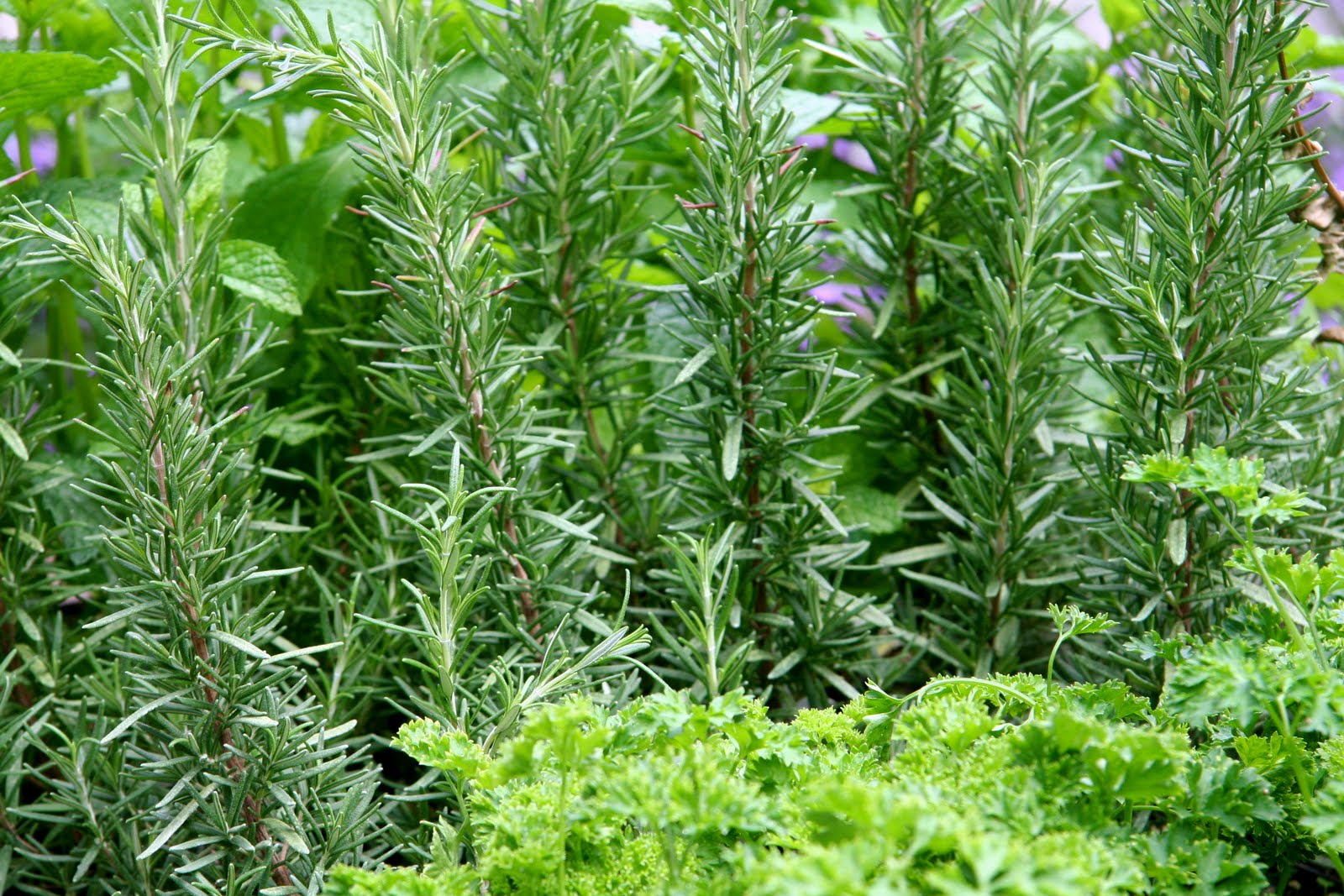
Ah. Rosemary. I remember you...


Yes, I WOULD like to taste the carrots, how did you know?


As I was taking photos this guy said "Take my photo!" I did. He had a pug with him.


All the coolers for just one farm! 

It must be summer.


*all the FABULOUS information about the vegetables came from a book called :


Check this book out too:


It has some beautiful recipes. May I especially recommend the beet cake, super yum.


HAVE FUN, EAT UP!


Monday, June 27, 2011

Blueberry Lemonbalm Gluten Free Pie

Hey y'all-It's 93 degrees outside today...


and you may think I'm crazy but I am inside  
 Baking. 

I don't have air conditioning and no joke, 
its 91 sizzling degrees inside my apartment.

The box fan is spinning, 

and I'm drinking a Lemon balm Lemonade with Osha Honey*
...
mmmmmmmmmmmmm 
(*myrecipe below)


 One of my favorite plants of all time is Lemon balm:
Melissa officinalis.

"Melissa" is greek for honey bee, so named because of the small white flowers that appear on the plant in the summer which attract bees.

Lemonbalm is also known as the "gladdening" herb for its affects on mood and has been cultivated for over 2000 years.

It is a  calming herb that helps with anxiety, is a mild antidepressant and was used as a drink to ensure longevity.

Lemon Balm's spicy, lemony scent is especially useful with cranky little ones..crush the fresh leaves between your fingers and let them smell.  It works wonders. 
lavenderkitty
I have to admit, this works for cranky big people too.

Other medicinal uses:
-Antiviral, esp. useful for Herpes Simplex Virus
-Insomnia (I've made a tincture with lemonbalm, hyssop and hops   
  called "larky go to sleepy")
-Hot flashes
-Headache
-Hyperthyroidism 
-Fevers
-Relieves spasms in the digestive tract
-Colds and Flus
-Fresh leaves used to soothe insect bites
P.s. lemon balm is contraindicated for those with hypothyroid

Cooking in the summer time with the fresh plant is especially fun. 


And this, my friends, is the reason I'm inside
on such a hot day, 

with the oven on.
Let's make a Gluten Free 
 Blueberry Lemon Balm Pie! 
 
InIngredients:

Ingredients:
8 cups frozen organic blueberries 
1 granny smith apple, peeled and grated
3 Tbs raw agave
zest of 1 lemon, and juice
1/2 teaspoon cinnamon

Handful of Lemon balm leaves
3 T tapioca flour
1 gluten-free pie crust

 
Directions:
Cook 3 of the cups of blueberries on medium heat for 6-8 minutes. Mash the blueberries with a potato masher to release some of the juice. Remove cooked blueberries and add to large bowl. Ciffonade and then chop the Lemon balm. Add the rest of the ingredients (including the rest of the frozen blueberries) and toss together. Pour into gluten-free pie crust. Bake at 400 degrees F for 35 minutes, then lower the heat to 350 and bake for another 40-60 minutes.
Enjoy!

Recipe adapted from "The perfect gluten/sugar-free blueberry pie" at laurelsimpson.com


Making the pie!

In the HOT oven
Ready to eat!
Top your pie with a feathery whipped cream or vegan topping. Coconut cream would be divine too.

Oh! Oh! How could I forget?  
Top it with a smooth organic vanilla bean ice cream.


Are you melting yet?  I am. 

Swoon.


*Lemon balm Lemonade with Honey
Ingredients:
2 Lemons
Fresh or Dried Lemon balm
Honey (Osha or Lavender are especially good)
Water

Directions:  
Boil water and make a lemon balm tea. Steep the plant for a minimum of 30 minutes to overnight.  Chill the lemons.  Once steeping is done chill the tea. Juice the 2 lemons. Add 16 oz of the lemon balm tea and the lemon juice to a jar with a lid.  Add honey to taste. Shake the lidded jar vigorously. Drink!

Monday, June 6, 2011

Dandelions...Eww or Yum?

I grew up on a 5 acre farm in Colorado.  
yes. that's me.

We had horses, and dogs, one cow and plenty of feral cats.  
i once saw a bird attacking a cat. but that's another story.
The house was always dusty and the summers were filled with cottonwood tree fluff, giant spiders in the eaves, field irrigation, moths, mice and the sound of bug zappers.


do people still use these?


cotton. glorious cotton.


p.s. if spiders give you the heebie jeebies, DO NOT i repeat DO NOT
do a google image search for "spiders in webs".


Summers were also filled with another lurking menace....
Dandelions
(dramatic music, dum dum dum)

Those oft misunderstood, oft hated 'weeds' of our modern suburban world.


Each spring these tenacious plants would poke up through every crack, shooting yellow flowers in every direction. 


Soon, their frothy heads scattered feral children 
to the wind.  


Dandelions were everywhere. 


Happily sunning themselves in the hot Colorado sun. 


However,
this debauchery wouldn't last long...
                                              inevitably my parents would pull out the herbicide.


, 
 They would spray and spray until the dead, shriveled dandelions were a testament to our efforts 
in taming the wild.


  I grew up thinking dandelions were the worst kind of weed. 


Fast forward..... 


In my early 20's I was in a women’s group, full of bright, well read and well educated women.   


One of them was a pharmacist named Stacy.  


Tired of the world of pharmaceuticals Stacy had turned to herbal study. She was probably the first herbalist
 I had ever met. 

She would say: 
"We should all eat something wild every single day".

Stacy would follow up that statement with tales 
of city foraging.


Guess what she wanted to eat? 


                                                   DANDELIONS
(What?! Dandelions?  The worst of the worst weed. The spindly brown, must be eradicated weed? The dangerous, may-take-over-and-eat-you-weed? NO. Hell no. Not me. No way.) 


Stacy also wanted to eat all sorts of other weeds growing around the city.  Weeds in vacant lots, weeds growing in alleyways, weeds sprouting up between the cracks in the sidewalks. I couldn’t understand why anyone would want to eat these plants.


Funny, how time, perspective and exposure 
can change things!


Well, it wasn’t long after, that I began to get curious about natural medicine and in 1999 started my own herbal study.  


                                              I fell in love with plants.
                                              I fell in love with:
                                                         using plants  as medicine, 
                                                                            as food, 
                                                                            as a natural way to heal the body.  
                                             I fell in love with:
                                                               being outside with the plants, 
                                                               connecting to their vitality and resilience
                                                               their wisdom, 
                               and yes,
                                           
                                             I fell in love with dandelions.


Dandelions, also known as "dent de lion", "nail in the earth", "swine snout", "puffball", "irish daisy" and more officially as Taraxacum officinale are (yes) an edible food, 
leaf, flower and root.  

Here are some Dandelion facts:
  • The leaves are bitter in flavor, although quite mild in the Spring.  
  • Dandelions are chock full of vitamins and minerals.  
  • It is one of the best sources of natural potassium. 
  • The leaf contains more units of vitamin A per ounce than lettuce or carrots. 
  • The leaf is also a source of vitamins B, C and D. 
  • The plant is used as a bitter digestive and liver tonic.
  • Dandelion is used as a medicine and as a food.


SO, what are dandies good for?
I'm glad you asked!

Dandelion has been used to treat:
 skin problems, arthritis, gout, fluid retention, constipation, uterine fibroids, endometriosis, anorexia, hepatitis, IBS, PMS, morning sickness, rhuematism, and as an effective diuretic.


Best of all Dandelions are FREE.  

FYI. you can buy them in a natural foods store for $3.50 a bundle, if worse comes to worst

Go outside almost anywhere
                 in spring, summer or fall and you will find them.


Although, I noticed when I lived in a more suburban place they were harder to find sans herbicide.

Make sure you know what they look like..for example, 
THIS

IS a dandelion.


THIS:


Is NOT 


IS:


IS NOT: (it's prickly lettuce often confused with dandelion)

That's the thing about eating wild foods..you HAVE TO..know what you are getting. Most people are very familiar with dandelions and can recognize them easily.  Not all plants are edible and some are quite toxic.  So be safe...okay?


Speaking of safety: 
Its very important that the plants you gather have not been sprayed for at least two years and do not 
gather them from roadsides.  


Here is a photo of a dandelion patch right outside my door 

I'm so lucky.

This is a vinegar(with dandelion, motherwort, yellow dock and cronewort) I'm making:on the left


plus a dandelion aperitif (apple cider vinegar, dandelion flower and leaf, brandy and lemon)on the right


I have also been really into making wild greens pesto. 


All you have to do is to follow a regular pesto recipe and use dandelion greens along with the basil or other herbs (mmmm..arugula).


How else can i use dandelions?

Eat them in salads, make a dandelion fritata, or fritter,
with the leaves and flowers, 
collect the whole plant and make an herbal vinegar, 
drink a fresh plant tea, make a tincture..... 

YUM!


What's YOUR dandelion story?


MORE...

Dandelion recipes:
Dandelion Blossom Fritters
Dandelion Recipes from Mariquita Farm
More Dandelion recipes from epicurious
Dandelions:Can't Beat them? Eat them.


ps. this blog is for informational and fun purposes only. its intention is not to treat or diagnose any disease. please consult an experienced natural healthcare practioner for recommendations.